
Explaining joint ownership
Separate who is recorded as an owner from who is named as a borrower. Matching percentages in a worksheet do not establish that the underlying legal obligations are identical.
A property may have two owners, one loan and several important documents. Put those relationships on one map so a conversation starts with the full context.
Inputs stay in this browser tab and clear on reload. Download if you want to keep a copy.
A record-keeping aid based on your entries; it does not verify documents or legal authority. General information, not personal financial, tax or legal advice.
Follow the tool, step by step
Choose a guide below. Follow the labelled screenshot, then try it with your own information.
Step 1 of 3
Enter a recognisable person or entity label, choose its record type and name the asset. Add a recorded share if you know it. You can also note the related loan and borrower without entering account numbers.
Try this in the tool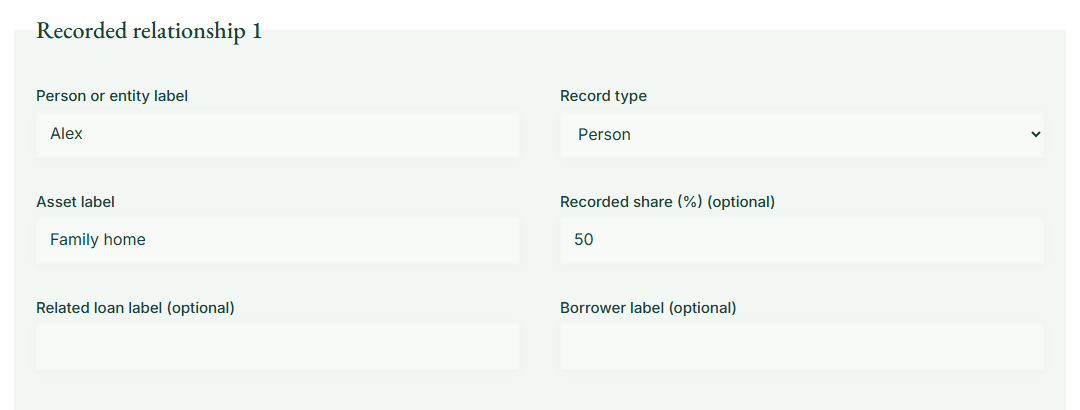
Step 2 of 3
Select Add a relationship for each additional owner or asset, up to twelve rows. For joint ownership, use exactly the same asset label on each owner’s row. Remove a row if it no longer belongs in the map.
Try this in the tool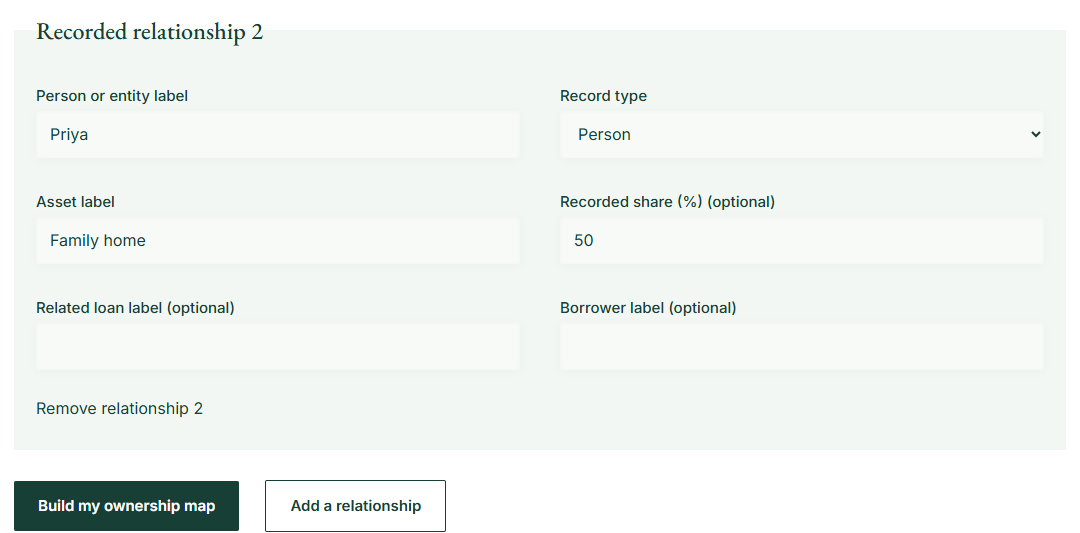
Step 3 of 3
Select Build my ownership map, then read each recorded interest and linked debt. Review any combined-share warning. Download the relationship register only after checking labels and percentages against your source records.
Try this in the tool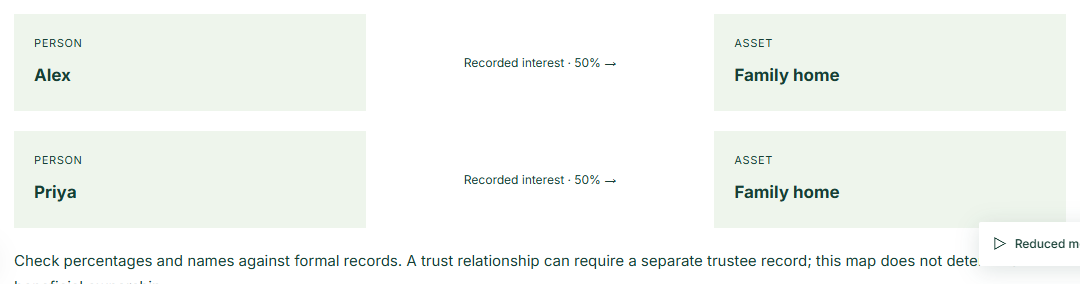
Worked example
Use Family home as the asset label in both rows. Record the relevant borrower label separately from ownership. A company-owned investment property should have its own entity and asset labels so it is not mistaken for a personally held home.
Follow the inputs

 Person or entityFormal source record
Take the next step with Financial Portfolio
Financial Portfolio connects people and entities to asset and liability records. Keep source documents beside those records and use the relationships to explain the wider portfolio. You remain responsible for checking the information against formal documents.
App access is currently through the waitlist. Keep your download for reference. Tool entries are not sent to the app or imported automatically.
Add a person or entity, an asset and any related debt. Connect the recorded owner or borrower, then label the relationship you know. Use names that are useful for your private draft, but avoid sensitive identifiers. Export or print only after checking the details. A map is a visual explanation of what you entered; it does not prove title, establish trust rights or change an ownership percentage. Compare it with the formal records and obtain professional advice when legal status matters.
Alex and Priya jointly own a home with a mortgage. A separate investment property is recorded under a company. Showing both structures side by side prevents the company asset from being mistaken for their personally owned home. Financial Portfolio's people and ownership feature can keep such relationships alongside documents and debts.
The tool runs in this browser tab. Your inputs are not sent to Financial Portfolio, stored in a user account or passed through the signup link. A reload clears the working state. Download a CSV if you want a copy, and keep it somewhere appropriate for the information it contains.
Financial Portfolio can help you maintain related records, but this public result does not create a portfolio or verify a source document. Read the privacy policy and terms of use, or visit the Help Center for product questions.
Put the result to work
Separate who is recorded as an owner from who is named as a borrower. Matching percentages in a worksheet do not establish that the underlying legal obligations are identical.
Use separate rows and recognisable labels for personal, company and trust records. Where trust arrangements are involved, check the trustee, deed and relevant professional advice; selecting Trust record cannot establish legal ownership.
Create the property once, then connect each owner with the recorded share. Keep the source of that share with the record.
No. A visual map reflects your entries; relevant legal documents and advice determine legal rights.
People, entities, assets, liabilities and their links provide the context.
From a useful start to connected records
Explore how Financial Portfolio connects the assets, debts, people and paperwork you maintain.